
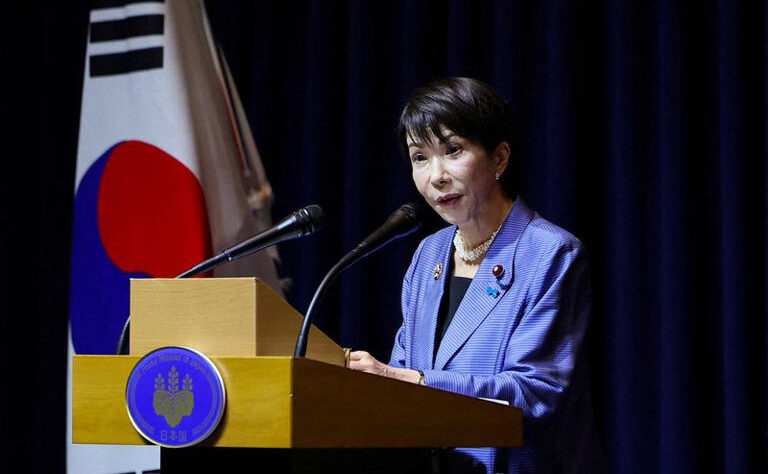
Japan’s cabinet has approved a massive 21.3 trillion yen ($135.5 billion) stimulus package aimed at reviving the country’s slowing economy and easing pressure on households struggling with rising prices, according to public broadcaster NHK.
The package is built around three key priorities:
- Tackling inflation and supporting consumers
- Strengthening economic growth
- Boosting Japan’s defense and diplomatic capabilities
To help households manage high living costs, the government will expand local government grants and introduce new subsidies for electricity and gas bills. These subsidies, beginning in January, will provide about 7,000 yen in relief per standard household over a three-month period. Taxes on gasoline will also be removed as part of the plan.
Japan is further preparing to set up a 10-year fund to strengthen shipbuilding, an increasingly strategic industry, and will implement steps to raise defense spending to 2% of GDP by FY2027.
To finance the new measures, the government will compile a supplementary budget bill and aims to secure its passage before the end of the year with support from opposition parties.
Prime Minister Sanae Takaichi leads a minority Liberal Democratic Party government, but with backing from the Japan Innovation Party, the coalition controls 231 seats in the 465-member Lower House — just two short of an outright majority.